
Replica Gucci: The Allure of the Double G—and Why the Copy Can’t Capture Its Soul
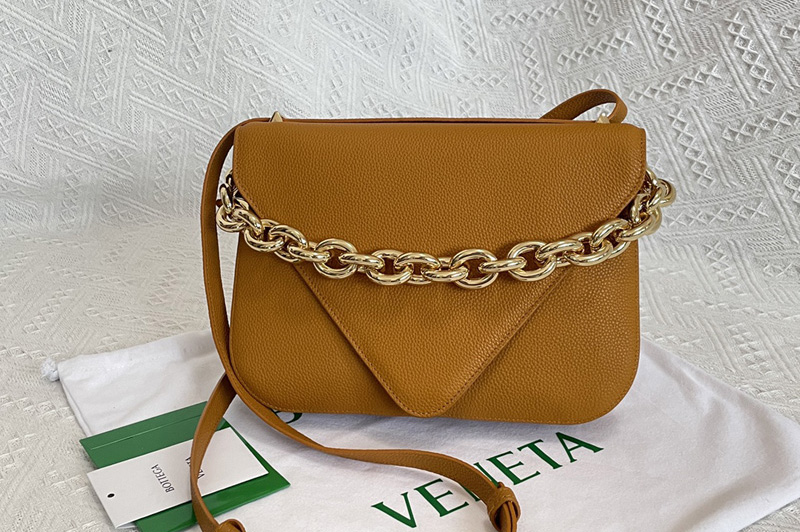 Gucci has long stood at the intersection of Italian craftsmanship, bold self-expression, and cultural reinvention. From the structured elegance of the Jackie bag to the streetwise charm of the Dionysus and the minimalist sophistication of the Horsebit 1955, Gucci’s handbags are more than accessories—they’re statements of identity, confidence, and style. Yet this global desirability has made Gucci one of the most counterfeited Replica Gucci Bag luxury brands in the world, with countless online vendors selling Replica Gucci bags that promise runway glamour at a fraction of the cost. While these fakes may mimic logos or silhouettes in filtered photos, they quickly reveal their flaws in stitching, hardware, material quality, and overall presence—offering only a fleeting illusion of luxury.
The most immediate red flag of a Replica Gucci lies in its materials and construction. Authentic Gucci bags are crafted from premium leathers—such as smooth calfskin, pebbled grained leather, or supple suede—sourced through ethical, traceable channels and treated with proprietary finishes that age gracefully. Even canvas pieces like the GG Marmont or Ophidia lines use coated Jacquard fabric woven with precision and durability in mind. In contrast, Replica Gucci bags typically use synthetic pleather, low-grade bonded leather, or thin canvas that cracks, peels, or fades within Hermes Replica months. “I bought a Replica Gucci Marmont shoulder bag for a weekend trip,” recalls a student in Berlin. “It looked decent in the listing photo, but up close, the ‘leather’ felt plasticky, the lining was flimsy polyester, and the chain strap left black marks on my blouse.”
Hardware is another critical differentiator. Genuine Gucci bags feature custom-designed metalwork—often made from solid brass or zamak alloy—finished in polished gold, antique silver, or matte black, Bottega Veneta Replica with precise engraving and weighty heft. The iconic double G clasp on the Horsebit 1955, for example, is meticulously cast and polished by hand. Replica Gucci versions, however, use lightweight, hollow plastic or cheap metal alloys that tarnish quickly, lack detail, and feel unnaturally light. Zippers often stick or break, and magnetic snaps lose strength after minimal use. One user in Melbourne shared, “My real Dionysus bag has tiger-head hardware that’s cool to the touch and perfectly aligned. The replica I tried had a misshapen head, rough edges, and the enamel chipped off in a week.”
Stitching and interior detailing further expose the imitation. Authentic Gucci bags showcase consistent, tight saddle stitching—often done by hand—with matching thread colors and reinforced stress points. Interiors feature branded cotton twill or microfiber linings with discreet pockets, embossed Replica Gucci logos, and serial number tags. Replica Gucci items, by contrast, often have uneven stitches, mismatched thread, glued seams instead of sewn ones, and generic polyester linings with misspelled labels or missing authenticity cards. “I could tell my friend’s ‘Gucci’ wasn’t real just by how the handle sagged,” says a stylist in Lisbon. “Real Gucci maintains structure; replicas collapse under their own lack of integrity.”
When it comes to styling, authentic Gucci bags offer remarkable versatility. The Jackie 1961, with its soft hobo silhouette and piston closure, pairs effortlessly with tailored trousers and loafers for a modern retro look. The Ophidia tote, featuring the archival GG motif and web stripe, works beautifully with neutral-toned coats and ankle boots for polished urban dressing. Fashion experts often recommend using Gucci’s signature elements—like the green-red-green Web stripe or the Horsebit detail—as anchoring points in an outfit, allowing the bag to serve as both accent and anchor. Replica Gucci bags, with their distorted logos, inconsistent coloring, or overly shiny surfaces, often clash with high-quality clothing and undermine the cohesion of a thoughtfully curated ensemble.
Compared to other Italian luxury houses, Gucci occupies a unique creative space. Prada leans into intellectual minimalism with nylon and clean lines; Bottega Veneta champions quiet luxury through intricate intrecciato weaving without visible branding. Gucci, under Alessandro Michele’s recent influence and now Sabato De Sarno’s refined vision, balances maximalist heritage with contemporary eclecticism—mixing vintage codes with modern attitude. This duality demands authenticity; even slight deviations in proportion or material disrupt the narrative. Replica Gucci manufacturers, focused solely on logo replication, miss this cultural dialogue entirely. They copy a pattern but ignore the story—turning symbols of individuality into mass-produced imitations.
Related:
imitacion Gucci Cinturón
Replica Gucci
Replica Hermes Uhren
Replica Dior bag
Imitazioni Bvlgari
Replica Hermes Birkin Online
Olcsó replika Hermès
Levná replika Hermès
Евтина реплика Hermès
Replica ieftina Hermès
Tania replika Hermès
Réplica barata Hermes
copia Hermès
Billige Replik Hermes
Goedkope replica Hermes
Réplique Hermes pac cher